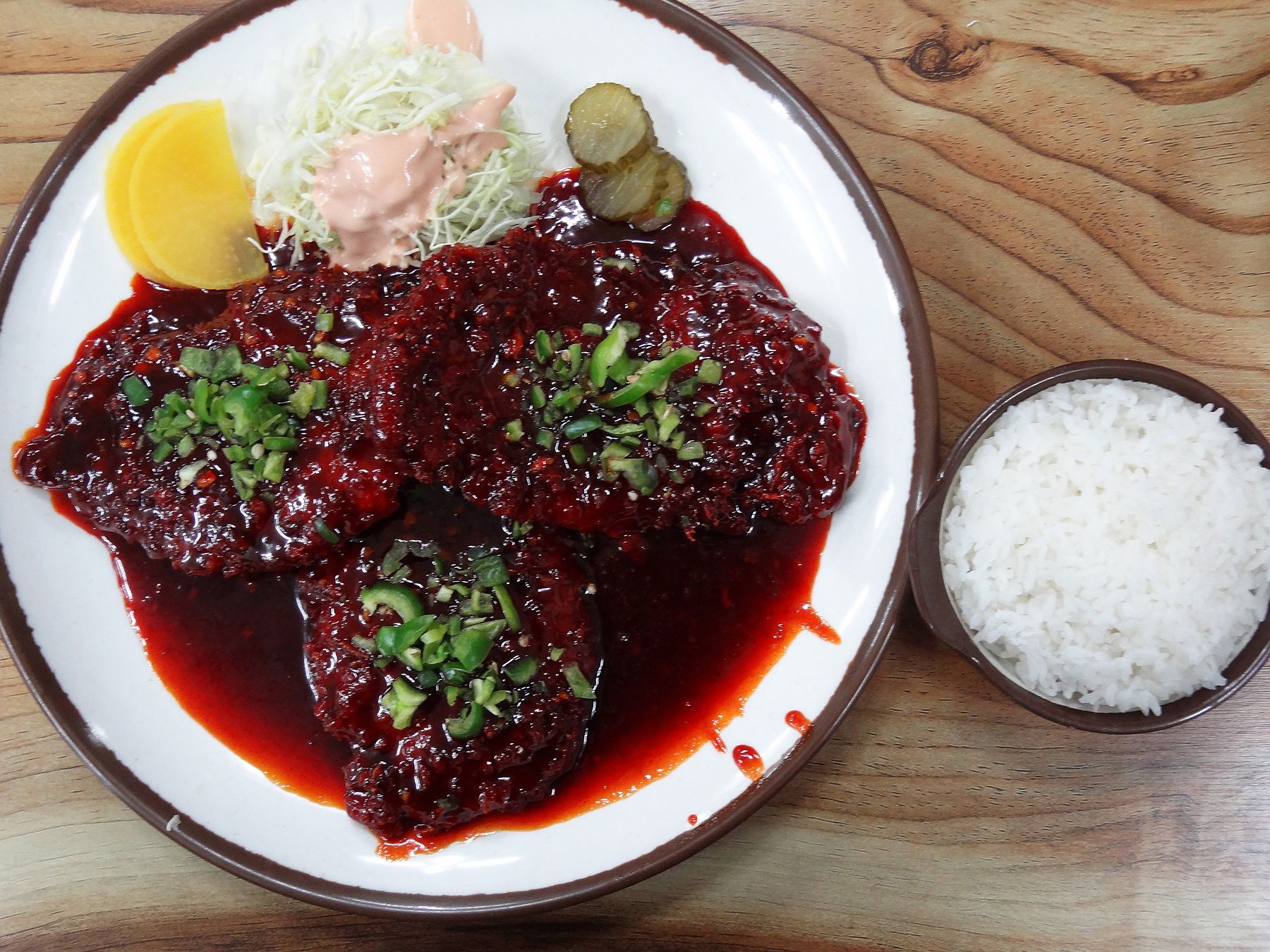
Many Korean dishes use chili, but not every red dish tastes the same. Some are sharp and hot. Others are sweet, fermented, smoky, or rich. Gochujang, gochugaru, kimchi, garlic, soy, and sesame can all shape how spice feels in the mouth. That is why one spicy stew may feel comforting while another stir-fry feels brighter and more direct.
If you are sensitive to heat, ask before ordering. A dish can look mild and still carry warmth, or look bright red but taste balanced because of sweetness and broth. Rice, tofu, vegetables, and banchan can soften spicy bites. Taking smaller spoonfuls also helps you enjoy the flavor without rushing.
How to order smarter
Start with a medium or familiar dish if you are new to Korean spice. Kimchi jjigae, spicy squid, and braised dishes can vary by kitchen, so it is fine to ask what feels hotter. If the table is sharing, order one spicy dish and one milder dish so everyone has options.
Flavor first
The best spicy Korean dishes are not about proving tolerance. They should still taste savory, balanced, and satisfying. When heat supports the food instead of hiding it, the dish becomes memorable.
Spice level table
| Level | What it may feel like | Good strategy |
|---|---|---|
| Mild | Savory, warm, little lingering heat. | Good for first-time diners. |
| Medium | Noticeable chili with balanced flavor. | Pair with rice and banchan. |
| Hot | Strong heat that builds over time. | Ask before ordering if sensitive. |
How to handle spicy dishes
The mistake many people make is treating spice like a challenge. Korean food is more enjoyable when you think about flavor first. Heat should support the dish. In kimchi jjigae, spice works with acidity and broth. In spicy squid, it works with sweetness, vegetables, and chew. In a braised dish, it may build slowly with the sauce.
- Ask direct questions. "Is this very spicy?" is better than guessing from the color.
- Order contrast. Pair a spicy dish with rice, mild grilled meat, or banchan.
- Take smaller bites. Spice is easier to enjoy when you let it build slowly.
- Do not ignore allergies. Spicy sauces can contain soy, wheat, sesame, seafood, or other ingredients.
A helpful table has options. If everyone likes heat, a spicy stew and spicy stir-fry can be exciting. If the group is mixed, choose one spicy dish and one gentle dish. That way each guest can enjoy the meal without feeling boxed into a flavor they do not want.
At 777 Korean Restaurant, Korean spice can be part of a warm, satisfying meal rather than a dare. If you are new, start with a familiar dish and build from there. Over time, you may notice that spice is only one part of the larger Korean flavor pattern: fermented, savory, sweet, salty, fresh, and comforting.
More practical notes about heat
Spice is personal. A dish that feels medium to one guest may feel hot to another. That is why it is better to ask than to assume. Korean menus often use familiar words like spicy, hot, or mild, but the actual experience depends on the sauce, broth, serving temperature, sweetness, and how much rice or banchan is eaten with the dish.
Temperature matters too. A bubbling stew can feel spicier because it is hot in both temperature and seasoning. A stir-fry may feel more direct because the sauce coats every bite. A cold or crisp side dish can soften the experience. Rice is one of the most useful tools because it spreads flavor and gives the palate a break.
- For spice-sensitive guests: begin with rice bowls, grilled items, or mild soups before moving to hotter dishes.
- For spice lovers: look for stews, stir-fries, and braised dishes, but still pay attention to balance.
- For shared meals: order one spicy dish and one mild dish so the table has options.
- For children or families: ask clearly about heat level before ordering a dish for everyone.
It is also helpful to remember that red color does not always tell the full story. Some red dishes are deeply spicy, while others are round and sweet. Some pale dishes may still carry pepper, garlic, or fermented ingredients. The staff can usually help explain what to expect.
When spice is handled well, it makes a meal more exciting without becoming the only thing you taste. That is the goal. Heat should bring energy, not discomfort. If you order with that mindset, Korean spicy food becomes much easier to enjoy.
Final checklist for spicy food
Before ordering spicy Korean food, ask what kind of heat the dish has. Is it a quick chili heat, a slow broth heat, or a sweet-spicy sauce? That answer matters because different spice styles feel different during a meal.
Balance is the safest strategy. Rice, mild banchan, grilled items, and simple drinks can all make spicy dishes easier to enjoy. If the whole table likes spice, you can order boldly. If the table is mixed, keep at least one dish mild.
Spicy food should still taste like food, not just heat. Look for flavor, aroma, and comfort. When spice is balanced, it becomes one part of the meal instead of the only thing you remember.
One more helpful note
Spice becomes easier to enjoy when you stop chasing the hottest option and start noticing balance. A dish can have chili and still be comforting. It can be red and still be rounded. It can be mild and still be deeply flavorful.
For a better meal, choose spice based on the whole table. If you order a hot stew, add rice and a mild dish. If you order spicy seafood, add something fresh. Korean spice is most enjoyable when it has support.
Heat should have support
Spice is easier to enjoy when it has support from rice, broth, vegetables, or mild side dishes. A dish that is only hot can become tiring, but a dish with heat, sweetness, savoriness, and texture stays interesting longer.
If you are building a shared table, let one dish carry the strongest heat and keep the rest balanced. This gives spice lovers something exciting while leaving room for guests who prefer comfort over intensity.
Reader note
This guide is original informational content written to help guests make practical Korean dining decisions. It is not a guarantee of current menu availability, pricing, portion size, spice level, or preparation on a specific day.
If allergies, dietary needs, alcohol choices, takeout timing, or group orders matter, confirm details directly with the restaurant before ordering. Advertising, if shown on this page, is separate from the article and does not change the guidance.