A first visit to a Korean restaurant can feel exciting and a little unfamiliar. There may be several side dishes, bubbling stews, rice bowls, grilled meats, and names you have not ordered before. The good news is that Korean dining is flexible. You do not need to know everything to have a good meal.
Start with a dish that sounds comfortable. Bulgogi bibimbap is a complete rice bowl. Kimchi jjigae is a warming stew with bold flavor. Galbi is a savory grilled favorite. If you are with a group, choose one main dish per person or build a shared table with a stew, a grill item, rice, and banchan.
What about banchan?
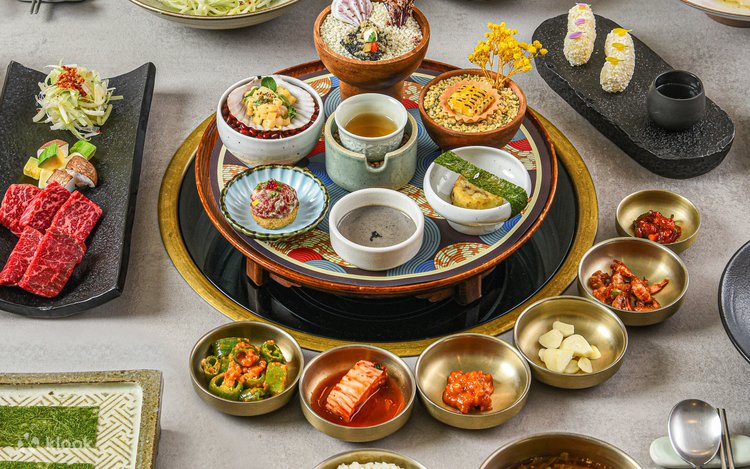
Banchan are small side dishes that support the meal. Eat them between bites, with rice, or alongside grilled meat. They are not a test or a rulebook. They simply add variety. If something is spicy or unfamiliar, try a small bite first.
Ask clear questions
The best question is specific: Is this spicy? Does this contain seafood? Is this good for sharing? Restaurant teams answer these questions often. If you have allergies, ask before ordering, because Korean dishes may include soy, sesame, wheat, egg, seafood, or fermented ingredients.
First visit ordering table
| If you want... | Try this style | Why it helps |
|---|---|---|
| A complete meal | Bibimbap or rice bowl. | Everything is in one clear dish. |
| Comfort food | Kimchi jjigae or another stew. | Warm broth and rice feel familiar. |
| A shared dinner | Galbi, stew, rice, and banchan. | The table gets variety without confusion. |
A calm 1-2-3 plan
First-time guests sometimes worry that they will order the "wrong" thing. Korean dining is more forgiving than that. The table can be built in layers, and the side dishes help fill in gaps. You can choose one dish that feels familiar, one dish that feels interesting, and one simple support like rice or soup.
- Pick your comfort level. Decide whether you want mild, medium, spicy, grilled, or brothy food.
- Ask one useful question. For example: "Is this good for sharing?" or "How spicy is this dish?"
- Try banchan slowly. Side dishes are there to support the meal, not to overwhelm you.
- Keep rice nearby. Rice helps balance strong flavors and makes the meal easier to enjoy.
A good first Korean meal should leave you with a few discoveries. Maybe you learn that you like kimchi more in stew than cold. Maybe you enjoy the sweetness of galbi. Maybe a simple vegetable side becomes the bite you keep returning to. These small discoveries are part of why Korean restaurants feel rewarding to revisit.
At 777 Korean Restaurant, the menu gives new guests several entry points. If you are unsure, start with a rice bowl, a stew, or a grill favorite. Once you understand those flavors, the rest of the menu becomes much easier to explore.
More practical notes for first-time guests
The best first visit does not require memorizing dish names. It requires a little curiosity and a willingness to ask clear questions. Korean menus can include stews, rice bowls, grilled meats, stir-fries, seafood, and side dishes. Rather than trying to understand everything at once, choose one category that sounds appealing and build from there.
If you are nervous about spice, say so. If you do not eat pork or seafood, say so. If you are dining with children or guests with allergies, ask before ordering shared dishes. Restaurant staff are used to these questions, and asking early helps everyone relax. A good dining experience is not about pretending to know more than you do.
- Choose one familiar dish: a rice bowl, grilled meat, or mild soup can be a comfortable start.
- Add one new flavor: try a stew, banchan, or spicy dish in a small way.
- Share if possible: Korean food is easier to explore when the table has variety.
- Keep notes for next time: remember what you liked so your second visit is easier.
It also helps to understand that Korean meals are not always centered on one large plate. The table itself is the meal. Rice, banchan, soup, grilled meat, and sauce all interact. This may feel different from ordering a single entree, but it becomes natural once you start eating.
At 777 Korean Restaurant, first-time guests can use the menu as a map rather than a test. Start with comfort, add curiosity, and let the table teach you. That is often the most enjoyable way to discover Korean food.
Final checklist for your first visit
Before your first Korean restaurant meal, choose curiosity over pressure. You do not need to pronounce every dish perfectly or know every ingredient. You only need to know what you enjoy: spicy or mild, brothy or grilled, individual bowl or shared table.
Start with one dish that feels safe and one small step into something new. A rice bowl can be the safe choice. A stew, banchan, or grilled dish can be the new step. If you are dining with others, sharing makes exploration easier because no one dish has to carry the whole experience.
Ask questions about spice and ingredients, especially if allergies matter. A relaxed first visit can become the beginning of a much deeper appreciation for Korean food.
One more helpful note
The most important thing on a first visit is not ordering perfectly. It is noticing what you enjoy. Maybe you like broth more than grilled meat. Maybe you prefer mild banchan to spicy kimchi. Maybe you discover that rice bowls are your easiest entry point.
Let that first meal give you information. Korean food becomes more enjoyable with each visit because the table starts to make sense. The more you understand balance, the easier it is to order with confidence.
Confidence grows with simple choices
A first visit becomes easier when you order from a small plan instead of reading the whole menu as a test. Choose one base, such as rice or a rice bowl. Choose one comfort item, such as stew or grilled meat. Then add one new flavor through banchan or sauce.
This gives you enough structure to feel comfortable and enough variety to learn. The goal is not to master Korean dining in one meal. The goal is to leave with a clearer sense of what you want to try next time.
Quick first-visit script
If the menu feels unfamiliar, use one clear sentence with the staff: "This is my first time here, I like mild or medium spice, and I want one dish that is good for sharing." That gives the team useful information without making the conversation complicated.
If allergies or dietary restrictions matter, name the exact ingredient before ordering. Korean dishes can include soy, sesame, wheat, egg, seafood, shellfish, pork, beef broth, or fermented ingredients in places that are not obvious from the dish name.
Reader note
This guide is original informational content written to help guests make practical Korean dining decisions. It is not a guarantee of current menu availability, pricing, portion size, spice level, or preparation on a specific day.
If allergies, dietary needs, alcohol choices, takeout timing, or group orders matter, confirm details directly with the restaurant before ordering. Advertising, if shown on this page, is separate from the article and does not change the guidance.