Las Vegas is known for heat outside, but inside a restaurant, a hot Korean stew can still be one of the most satisfying meals. Stews offer comfort because they slow the meal down. You take a spoonful, add rice, reach for banchan, and return to the bowl. The pace feels steady and grounding.
Korean stews can be spicy, mild, rich, clean, or deeply fermented. Kimchi jjigae is bold and tangy. Potato and pork bone stews feel hearty. Army-style stews can be filling and playful. Seafood broths can be bright and warming. The right stew depends on the mood of the table.
What to order with stew
Rice is the obvious partner, but grilled meat, banchan, or a stir-fry can make the meal broader. If the stew is spicy, order something milder beside it. If the stew is rich, choose crisp or pickled sides for contrast.
Why it works for groups
A stew in the center of the table gives everyone something warm to return to between bites. It also helps balance drier dishes like grilled meat or rice bowls. Ask about ingredients, spice, and seafood if anyone at the table has dietary needs.
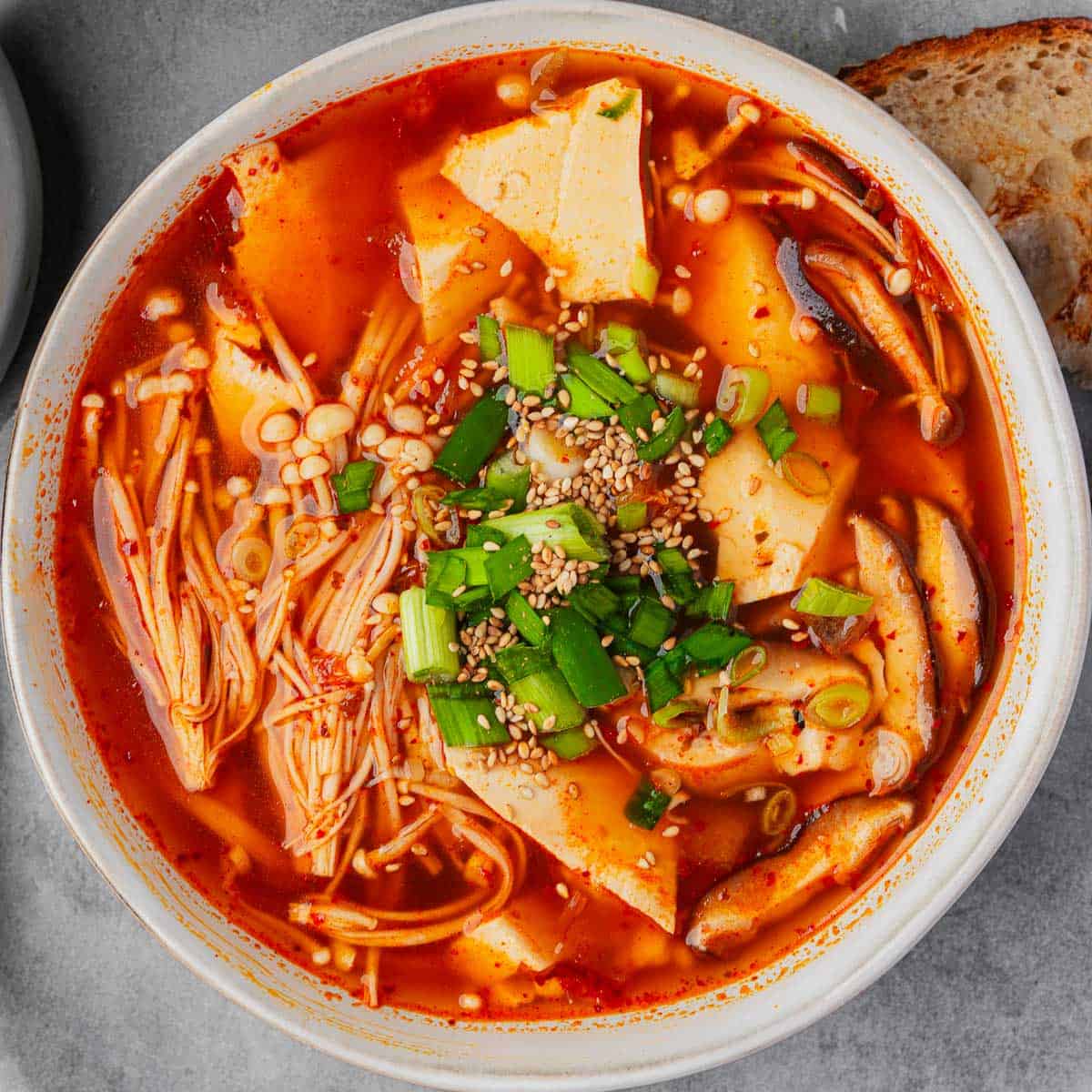
Stew comparison table
| Stew style | Typical feeling | Best pairing |
|---|---|---|
| Kimchi jjigae | Tangy, spicy, fermented, comforting. | Rice and mild banchan. |
| Pork bone or potato stew | Hearty, rich, filling. | Crisp sides and shared rice. |
| Seafood stew | Bright, aromatic, warming. | Ask about spice and shellfish. |
How to choose a stew
Choosing a stew is really choosing the mood of the meal. If you want something bold, kimchi jjigae gives acidity and depth. If you want something hearty, a richer stew can feel like the center of dinner. If you want something lighter but still warm, seafood broth may be the right direction. The best choice depends on appetite, spice comfort, and whether the table is sharing.
- Decide how filling the meal should be. A stew plus rice can be enough, but a group may want grilled meat or a rice bowl too.
- Think about spice. Ask if the stew is mild, medium, or hot before committing.
- Use rice generously. Rice turns broth into a fuller bite and helps balance salt and heat.
- Check ingredients. Stews can contain pork, seafood, soy, wheat, sesame, or egg depending on the recipe.
Korean stews also work well in Las Vegas because restaurants are a break from the rush outside. A hot bowl asks you to slow down. You cannot eat it too quickly, and that is part of the comfort. The steam, the broth, and the rice all make the meal feel grounded.
For guests planning a visit to 777 Korean Restaurant, a stew is a strong choice when you want food that feels satisfying and steady. It can be the main meal or the shared dish that supports everything else on the table.
More practical notes for stew lovers
Stews are forgiving because they can serve different kinds of hunger. A person who wants comfort can focus on the broth. A person who wants a filling meal can add rice. A group can share the stew between bites of grilled meat or seafood. That flexibility is why Korean stews remain popular across seasons and cities.
In Las Vegas, a stew can be especially satisfying after a long day outside, after travel, or during a late dinner. The restaurant setting matters: air conditioning, a warm bowl, and a calm table can make the meal feel restorative. It is not only about temperature. It is about the slower pace that soup naturally creates.
- For a solo meal: stew with rice can be complete and comforting.
- For a date or small group: share a stew with a grilled dish or rice bowl.
- For spice balance: add mild banchan or choose a less spicy second dish.
- For dietary questions: ask about broth base, seafood, pork, soy, wheat, and egg.
Another reason stews work well is that they change as you eat. The first spoonful may be mostly broth. Later, the rice may absorb flavor. Tofu or vegetables may soften. The bowl feels more familiar with each bite. This makes stews feel personal even in a restaurant setting.
If you are deciding between several stew options, think about flavor direction. Kimchi-based stews are tangy and bold. Meat-based stews may feel richer. Seafood stews can be aromatic and bright. Asking one or two questions before ordering can help you find the bowl that matches your appetite.
Final checklist for stew ordering
Before ordering a stew, decide whether you want tangy, rich, spicy, mild, meaty, or seafood-forward flavors. Stews can look similar from a distance, but they can eat very differently. A kimchi stew is not the same experience as a seafood broth or a pork bone stew.
Rice is almost always helpful. It turns broth into a fuller bite and gives you a way to manage spice. Banchan adds contrast, and grilled dishes can make a stew-centered table feel more complete.
Ask about broth base and spice level if you are unsure. A good stew should feel warm, satisfying, and suited to your appetite, not surprising in an uncomfortable way.
One more helpful note
Stews are also useful because they create a natural center for the table. Even if everyone orders something different, a shared stew can bring the meal together. It gives the group a common flavor to return to and makes the table feel warmer.
If you are not sure which stew to choose, ask about the broth first. Broth tells you a lot: spicy, fermented, seafood-based, meat-rich, or mild. Once you understand the broth, the rest of the dish becomes easier to imagine.
That is why stew remains one of the most reliable Korean comfort choices for both solo meals and shared tables.
Why hot food works in a warm city
Even in Las Vegas, a hot stew can make sense because comfort is not only about weather. Air conditioning, late nights, travel schedules, and long workdays can all make a warm bowl feel restorative. The heat of the food slows the meal down.
Pairing stew with rice and crisp banchan keeps it from feeling too heavy. The contrast is what makes a hot bowl enjoyable even when the city outside is warm.
Reader note
This guide is original informational content written to help guests make practical Korean dining decisions. It is not a guarantee of current menu availability, pricing, portion size, spice level, or preparation on a specific day.
If allergies, dietary needs, alcohol choices, takeout timing, or group orders matter, confirm details directly with the restaurant before ordering. Advertising, if shown on this page, is separate from the article and does not change the guidance.