Korean BBQ is popular because it turns dinner into a shared experience. The meal is not only about meat. It is about the rhythm of grilling, wrapping, dipping, passing banchan, and choosing the next bite. A good table has enough variety to keep everyone interested without ordering more than the group can enjoy.
Start with one or two grill items, then add rice, banchan, and something warm like soup or stew if the group is hungry. Sauces and kimchi help cut through richer bites. If some guests prefer milder food, keep spicy sauces on the side so each person can control the heat.
Build a balanced table
For a small group, a grill plate plus a stew can be enough. For a larger table, consider adding a rice bowl or stir-fried dish. The goal is contrast: savory meat, plain rice, bright vegetables, and a hot broth or sauce to bring depth.
Ask when unsure
If the menu includes cuts or ingredients you do not know, ask the staff for help. Korean BBQ can include familiar meats as well as more adventurous options. It is always reasonable to ask about texture, spice, or allergens before ordering.
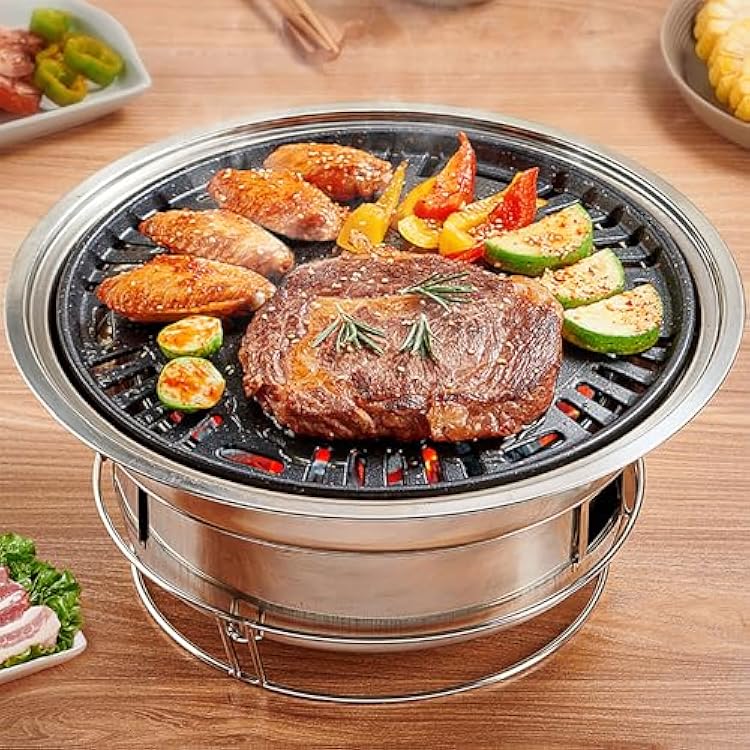
Korean BBQ planning table
| Table item | Why it matters | Best for |
|---|---|---|
| Grilled meat | Gives the meal its main savory focus. | Guests who want a social, shared dinner. |
| Rice and banchan | Balance richness with softness and freshness. | Every BBQ table. |
| Soup or stew | Adds warmth and something spoonable. | Larger groups or colder appetites. |
A simple 1-2-3 ordering plan
The easiest way to order Korean BBQ is to think in layers. First, choose the main grilled item. Second, make sure the table has rice and banchan. Third, add one dish that changes the pace, such as a stew, rice bowl, or stir-fry. This gives the group variety without turning dinner into a complicated checklist.
- Pick a center. Galbi, pork belly, or a mixed grill option can be the main reason the table gathers.
- Add contrast. Rice, kimchi, vegetables, and sauces keep each bite from feeling too rich.
- Respect different appetites. If someone wants mild food, keep spicy sauces optional and include a gentler dish.
- Ask about unfamiliar cuts. Some Korean BBQ menus include textures that may be new to first-time guests.
A shared BBQ meal should feel comfortable and unhurried. It is okay to pause between bites, talk, and let the table decide what tastes best together. Some bites are better with sauce. Some are better with kimchi. Some just need rice. That flexibility is the whole point.
For groups visiting 777 Korean Restaurant, BBQ-style ordering can be a good choice when people want dinner to feel interactive. Just remember that the supporting dishes matter as much as the grill. A thoughtful table is more enjoyable than a table with only one flavor.
More practical notes for a shared BBQ table
A Korean BBQ meal is easiest when the table agrees on the kind of experience it wants. Some groups want a rich meat-focused dinner. Others want a balanced table with stew, rice, and vegetables. Neither approach is wrong, but deciding early helps the order feel intentional. If everyone is very hungry, start with enough protein and rice. If the group wants to linger, add dishes that create variety over time.
Sauces and banchan are not decorations. They are what keep BBQ from becoming too heavy. A piece of grilled meat with rice tastes different from one wrapped with vegetables or followed by kimchi. That is why the same grill item can stay interesting across a whole meal. The side dishes reset the palate and give each person a way to build bites that fit their own taste.
- For two people: one grill item, rice, and banchan may be enough if portions are generous.
- For three or four people: add a stew or rice bowl so the table has a second focus.
- For mixed spice comfort: keep spicy sauces optional and choose one mild dish.
- For adventurous eaters: ask about texture and preparation before ordering unfamiliar cuts.
Korean BBQ also has a social pace. It is not only about finishing food quickly. The meal works because people talk, share, compare bites, and return to the grill. If the table feels rushed, the experience loses some of its charm. A good BBQ meal has room for pauses.
At 777 Korean Restaurant, use BBQ-style dishes as the foundation for a shared dinner, then add supporting dishes based on appetite. The result should feel generous, balanced, and easy to enjoy, not complicated. When in doubt, ask what combination works well for the number of people at your table.
One more helpful note
If Korean BBQ feels unfamiliar, remember that the meal is not a performance. You do not need to build perfect wraps or follow a strict order of bites. Start with grilled meat and rice, then add side dishes as you discover what tastes good. Some guests prefer sauce with every bite, while others like the marinade by itself. Some enjoy kimchi after rich meat, while others reach for mild vegetables. A shared table should make room for those differences.
The best Korean BBQ experience is relaxed, balanced, and respectful of the people eating together. Ask questions, share slowly, and let the table develop naturally. That is what makes the meal memorable.
That kind of pacing is also helpful for first-time guests because it turns the grill into a shared conversation rather than a set of rules.
If everyone leaves with a favorite bite, the BBQ table worked. It may be galbi with rice, kimchi after grilled meat, or a simple side dish that made the meal brighter.
Table rhythm at the grill
Korean BBQ is more enjoyable when the group lets the meal unfold gradually. Grill a few pieces, eat them while they are hot, then return to the sides and rice. This rhythm keeps the food fresh and gives everyone time to participate.
A rushed grill table can feel chaotic, especially for new guests. A slower pace makes it easier to notice doneness, sauce pairings, and which banchan works best with each meat.
Reader note
This guide is original informational content written to help guests make practical Korean dining decisions. It is not a guarantee of current menu availability, pricing, portion size, spice level, or preparation on a specific day.
If allergies, dietary needs, alcohol choices, takeout timing, or group orders matter, confirm details directly with the restaurant before ordering. Advertising, if shown on this page, is separate from the article and does not change the guidance.