Galbi is loved because it brings several pleasures at once. The meat is rich, the marinade is savory and lightly sweet, and the grill adds aroma. When cooked well, each bite has a satisfying chew without feeling heavy. Rice and banchan make the flavor feel balanced instead of one-note.
The marinade often includes soy-based savoriness, sweetness, aromatics, and ingredients that help round out the meat. This is why galbi can appeal to people who are new to Korean food. The flavor is bold, but it is not only spicy. It is layered and familiar in a comforting way.
What to eat with galbi
Plain rice is one of the best partners for galbi because it absorbs sauce and softens the richness. Kimchi or pickled vegetables add brightness. A stew can make the table feel complete, especially for guests who want something hot and spoonable alongside grilled meat.
Ordering with confidence
If you have allergies, ask about soy, sesame, wheat, and other marinade ingredients. If you are sharing, consider ordering galbi with banchan and one lighter dish so the meal has contrast. Galbi is a strong center for the table, so it does not need much to shine.
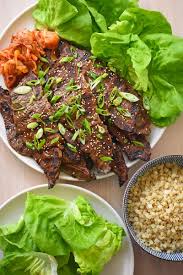
Galbi flavor table
| Flavor | Where it comes from | How to balance it |
|---|---|---|
| Sweet-savory | Marinade and natural meat richness. | Pair with plain rice. |
| Smoky | Grill heat and caramelization. | Eat with crisp banchan. |
| Rich | Short rib texture and fat. | Add kimchi, pickles, or a lighter side. |
How to enjoy galbi thoughtfully
Galbi is often one of the easiest Korean grill dishes to love, but it still benefits from balance. The marinade gives it personality. The grill gives it aroma. Rice and banchan keep the richness from becoming too much. If the table includes a stew, the meal becomes even more complete because you can move between grilled bites and spoonfuls of broth.
- Start with a plain bite. Taste the meat before adding sauce so you understand the marinade.
- Add rice next. Rice helps catch juices and makes the flavor feel fuller.
- Use banchan to reset. Tangy or crisp side dishes brighten the next bite.
- Share slowly. Galbi is rich, so it works well as part of a meal rather than the only thing on the table.
If you are new to Korean food, galbi can be a friendly starting point because the flavors are bold but familiar. It has sweetness, savoriness, and char, which many diners already enjoy in grilled foods. The Korean part of the experience comes from how the meat interacts with rice, kimchi, sauces, and small side dishes.
For allergy-aware dining, always ask about marinade ingredients. Soy, wheat, sesame, garlic, and other seasonings may be part of the preparation. A quick question helps the meal stay comfortable and safe for everyone at the table.
More practical notes before choosing galbi
Galbi is often a crowd-pleaser because the flavor is bold without relying only on heat. The marinade gives sweetness and savoriness, while grilling adds aroma and texture. That makes galbi a good bridge for guests who may be new to Korean food but already enjoy grilled meats. The dish feels familiar enough to approach and distinctive enough to feel special.
Because galbi is rich, the table around it matters. Rice is the simplest partner. Kimchi or pickled side dishes add brightness. A stew can bring warmth. Vegetables can make the meal feel fresher. If you order only galbi and nothing else, the flavor may become repetitive. If you build the table with contrast, the dish stays enjoyable longer.
- For first-time guests: galbi is a friendly introduction to Korean grill flavors.
- For groups: order enough rice and banchan so the meat is not carrying the whole meal alone.
- For lighter balance: add a vegetable side, kimchi, or a broth-based dish.
- For ingredient concerns: ask about marinade components such as soy, wheat, sesame, garlic, or sweeteners.
Galbi is also a good example of how Korean food uses sweetness carefully. The sweetness is not meant to make the dish taste like dessert. It rounds the saltiness, helps with caramelization, and makes the meat taste fuller. When that sweetness meets char and rice, the bite becomes balanced.
At 777 Korean Restaurant, galbi can be ordered as a comforting main or as part of a larger shared table. If you are deciding between galbi and a stew, think about texture. Galbi is chewy, grilled, and savory. Stew is brothy, hot, and spoonable. Many groups enjoy having both because they create two different experiences in one meal.
Final checklist for enjoying galbi
Before ordering galbi, think about how rich you want the meal to feel. Galbi can be deeply satisfying, but it is best when supported by rice, banchan, and something fresh or brothy. This lets the meat stay exciting instead of becoming too heavy.
If you are sharing, galbi works well as the center of the table. Add a stew or vegetable-forward dish if the group wants more variety. If you are ordering for someone new to Korean food, galbi is often a friendly introduction because it has familiar grilled flavors with a distinctly Korean marinade style.
Ingredient questions matter with marinades. Ask about soy, wheat, sesame, garlic, and other seasonings if allergies or dietary needs are a concern. A quick question keeps the meal safe and comfortable.
One more helpful note
Galbi is at its best when you take time with it. A quick bite tells you the marinade is savory and sweet, but a slower meal shows how the meat changes with rice, kimchi, vegetables, and sauce. That is why it works so well for sharing.
If you want a reliable dish for a group, galbi is often a strong choice. Just remember to add contrast so the meal feels complete rather than only rich.
Why galbi works well with sides
Galbi has sweetness, savoriness, and richness, so it benefits from side dishes that add contrast. Rice absorbs extra seasoning, kimchi brings acidity, and crisp vegetables keep each bite from feeling too rich. Without those supporting pieces, the flavor can become heavy faster.
If you are sharing galbi, consider pairing it with a stew or a vegetable-forward dish. That creates a fuller table and lets the short ribs remain a highlight instead of carrying the whole meal alone.
Reader note
This guide is original informational content written to help guests make practical Korean dining decisions. It is not a guarantee of current menu availability, pricing, portion size, spice level, or preparation on a specific day.
If allergies, dietary needs, alcohol choices, takeout timing, or group orders matter, confirm details directly with the restaurant before ordering. Advertising, if shown on this page, is separate from the article and does not change the guidance.