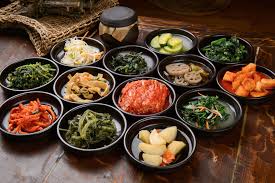
Banchan are the small side dishes served with many Korean meals. They may look simple at first, but they are one of the reasons the table feels generous and complete. A bite of grilled meat tastes different after pickled vegetables. A spoonful of stew feels lighter after something crisp. Rice becomes more interesting when there are several small flavors nearby.
Common banchan can include kimchi, seasoned vegetables, lightly sweet or savory items, and small preparations that add crunch, heat, or freshness. The exact selection can change, which is part of the charm. Rather than thinking of banchan as separate appetizers, it helps to see them as companions for the main dish.
Why banchan matters
Korean food often balances bold flavors. A stew may be spicy and rich. Galbi may be sweet and savory. Fried or grilled dishes may be heavier. Banchan gives the meal contrast. It keeps the palate awake and makes each bite feel less repetitive.
How to eat it naturally
There is no need to overthink it. Take a little banchan between bites, add some to rice, or enjoy it beside grilled meat. If you are sharing a table, use serving utensils when provided and keep the meal relaxed. If you have allergies, ask about ingredients because banchan may include sesame, seafood, soy, wheat, or egg.
Common banchan roles
| Role | Example flavor | Why it helps |
|---|---|---|
| Refreshing | Crisp, cool, lightly seasoned vegetables. | Makes grilled or spicy dishes feel lighter. |
| Fermented | Kimchi or tangy pickled flavors. | Adds brightness and depth to rice and meat. |
| Savory | Soy, sesame, garlic, or mild sweetness. | Rounds out the table without demanding attention. |
A simple way to enjoy banchan
Banchan works best when you stop treating it like a separate course. It is part of the conversation between dishes. A spicy stew becomes easier with something crisp. A sweet grilled meat becomes more interesting with something tangy. Plain rice becomes more complete with a small bite of seasoned vegetables.
- Taste each side once. This gives you a sense of what is spicy, mild, sour, crisp, or savory.
- Pair banchan with the main dish. Try kimchi with rice, vegetables with grilled meat, or a mild side after a spicy bite.
- Share respectfully. Use serving utensils when provided and avoid mixing personal utensils into shared dishes.
- Ask about ingredients. Some banchan may contain sesame, seafood, soy, wheat, egg, or nuts depending on the preparation.
One of the quiet pleasures of Korean dining is that the table changes as you eat. The first few bites help you understand the main dish. After that, the side dishes begin to shape the meal. A little crunch, a little sourness, a little heat, and a little rice make the experience feel generous without needing constant ordering.
At 777 Korean Restaurant, banchan also helps new guests explore Korean flavors in small, approachable bites. You may discover that you enjoy fermented vegetables more than expected, or that a mild side dish is the perfect break between spoonfuls of stew. That sense of discovery is part of what makes the meal feel human and memorable.
More practical notes before you eat
Banchan can be one of the most enjoyable parts of a Korean restaurant meal because it makes the table feel alive before the main dishes even arrive. For new guests, the variety can seem surprising: several small plates appear, and each one has its own purpose. The key is to avoid treating them as random extras. They are part of the meal's structure. A crisp side dish can refresh the palate. A fermented side can bring depth. A mild vegetable can soften the effect of a spicy stew.
The exact banchan selection may change by day, season, kitchen preparation, or restaurant style. That is normal. Instead of expecting the same set every time, enjoy the side dishes as a small snapshot of the kitchen. Some may be familiar, while others may be new. Trying a small bite first is the easiest way to explore without pressure.
- With grilled meat: use tangy or crisp banchan to cut through richness.
- With stew: use mild banchan to cool the palate between hot spoonfuls.
- With rice: add small bites of banchan to make plain rice more flavorful.
- With a group: share politely and ask for help if you are unsure how something is normally eaten.
Banchan also encourages a slower and more thoughtful meal. Instead of eating one large plate from start to finish, you move around the table. A bite of rice, a bite of kimchi, a spoonful of stew, a piece of grilled meat, then another small side. This rhythm keeps the food interesting. It also helps guests understand why Korean meals feel generous even when the individual plates are small.
If you have allergies or dietary restrictions, banchan deserves the same attention as the main dish. Sesame oil, soy sauce, seafood-based seasoning, wheat, egg, and nuts can appear in small dishes depending on the recipe. Asking about ingredients is not rude. It is part of ordering responsibly and making sure the meal is comfortable for everyone.
One more helpful note
Banchan is one of the reasons Korean meals reward repeat visits. You may notice a different side dish, a different seasoning, or a new pairing each time. Even when the main dish stays the same, the side dishes can make the meal feel fresh. That is why they should be eaten with attention rather than ignored as decoration.
If you are introducing someone to Korean food, banchan is a gentle place to start. The portions are small, the flavors are varied, and there is no pressure to finish everything immediately. Taste, compare, and return to the sides that make your main dish better.
Banchan as a learning tool
Banchan is one of the easiest ways to learn Korean flavors because the portions are small and the variety is wide. A guest can try something fermented, something mild, something crisp, and something savory without committing to a full dish.
This makes banchan especially useful for first-time visitors. Instead of asking whether you like Korean food as a whole, you can notice which small flavors appeal to you. Those clues make future ordering easier.
Reader note
This guide is original informational content written to help guests make practical Korean dining decisions. It is not a guarantee of current menu availability, pricing, portion size, spice level, or preparation on a specific day.
If allergies, dietary needs, alcohol choices, takeout timing, or group orders matter, confirm details directly with the restaurant before ordering. Advertising, if shown on this page, is separate from the article and does not change the guidance.