Ordering Korean food for a group works best when the table has variety. Some guests may want spice, others may prefer grilled or savory dishes, and some may be happiest with rice and milder sides. A good group order gives people choices without making the plan confusing.
Start with the number of guests and the type of event. A casual office lunch may need easy portions and dishes that travel well. A family gathering may allow more shared trays and warm dishes. Ask the restaurant about preparation time, packaging, serving utensils, and whether certain dishes are better eaten right away.
Choose a balanced mix
A helpful spread includes one or two savory mains, rice, a vegetable or side dish element, and something with a little heat for guests who want it. Avoid making every dish spicy unless you know the group well.
Ask early
Large orders need planning. Contact the restaurant in advance so the team can confirm availability, timing, packaging, and any special requests. If your group has allergies, communicate those clearly before ordering.
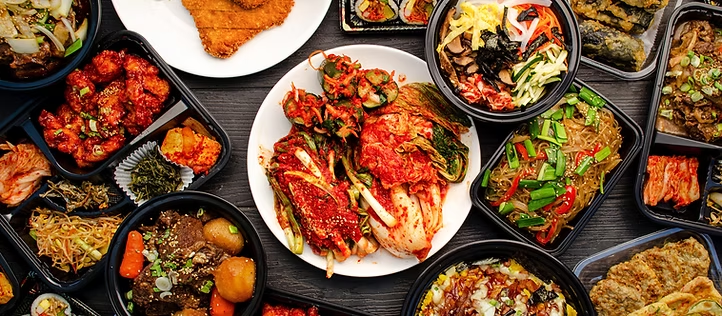
Group order planning table
| Need | What to plan | Why it matters |
|---|---|---|
| Variety | Mix mild, spicy, rich, and fresh dishes. | Guests can choose what suits them. |
| Timing | Order in advance and confirm pickup details. | Large meals need kitchen preparation time. |
| Dietary needs | Ask about seafood, soy, sesame, wheat, egg, and nuts. | Shared meals require clear ingredient awareness. |
A 1-2-3 catering mindset
Planning Korean food for a group is easier when you think in categories instead of individual cravings. You want enough food, but you also want balance. A table with only spicy dishes may leave some guests out. A table with only mild dishes may feel flat. The best spread has a main flavor, a comfort dish, and a few supporting items.
- Choose the main dishes. Pick grilled, braised, or stir-fried items that can anchor the meal.
- Add rice and sides. Rice and banchan make the order feel complete and help stretch stronger flavors.
- Confirm logistics. Ask about timing, packaging, serving utensils, reheating, and pickup or delivery details.
- Collect allergy notes early. It is easier to ask the restaurant before the order is placed than after food is prepared.
Korean catering-style meals can be especially helpful for office lunches, family gatherings, and casual celebrations because the food is naturally shareable. Guests can take more of what they like and avoid what does not fit their appetite. That flexibility makes the meal feel generous without needing a complicated custom order for every person.
If you are planning with 777 Korean Restaurant, contact the restaurant in advance. Menu availability, pricing, timing, and packaging can change, and larger orders deserve direct confirmation. Good communication is the difference between a stressful group meal and one that feels easy.
More practical notes for group meals
A group order should be planned around people, not only dishes. Think about who is eating, how adventurous they are, whether anyone avoids pork or seafood, how much spice the group can handle, and whether the food will be eaten right away. Korean food is generous and flexible, but those details matter.
For office lunches, easy serving is important. For family gatherings, variety may matter more. For celebrations, you may want dishes that feel special and shareable. Rice and banchan are useful because they help guests customize their plates. A person who wants a mild meal can focus on rice and gentle dishes, while someone who wants more flavor can add spicy or fermented items.
- Ask for realistic timing: large orders may need more preparation time than regular takeout.
- Plan portions thoughtfully: a balanced spread is better than too much of one dish.
- Confirm packaging: hot, saucy, and brothy dishes need careful containers.
- Label allergens if possible: shared settings make ingredient clarity especially important.
It is also wise to avoid making the whole order spicy. Even if many guests enjoy heat, a group usually benefits from mild options. Rice, grilled dishes, and vegetable sides can help balance stronger flavors. This makes the meal more inclusive and reduces waste.
At 777 Korean Restaurant, the best way to plan a group meal is to contact the restaurant directly. Ask what travels well, what needs advance notice, and what combinations are practical for your group size. Clear planning leads to better food and a smoother experience.
Final checklist for group orders
Before placing a group order, write down the basics: guest count, pickup or serving time, spice comfort, dietary needs, and whether the food will be eaten immediately. These details help the restaurant guide you toward dishes that make sense. Hot stews, grilled items, rice, and banchan all travel and serve differently.
Variety is helpful, but too much variety can become confusing. Choose a few dependable anchors, then add sides that support them. Rice is almost always useful. Mild options are important even when many guests enjoy spice. Clear labels can help if the meal is served buffet-style or in an office setting.
A good Korean group meal feels generous and easy. It should not require guests to decode every dish before eating. With a little planning, the table can offer comfort, spice, freshness, and enough choice for different appetites.
One more helpful note
Group meals succeed when they feel easy for guests. Korean food has a natural advantage because rice, banchan, grilled dishes, stews, and stir-fries can create a flexible spread. The key is to avoid ordering only for the most adventurous person in the room.
Plan for variety, label what you can, and ask the restaurant what holds up well for your timing. A little communication before the order makes the meal smoother for everyone.
When the order is clear, balanced, and timed well, Korean food can make a group meal feel thoughtful without becoming difficult to serve.
Service timing matters
For group orders, timing can be just as important as the menu. Hot food should be picked up or served close to eating time, while rice and sides should be planned so they do not sit uncovered for too long. A clear pickup time helps the kitchen guide you toward dishes that make sense.
It also helps to separate spicy items, mild items, and allergy-sensitive requests. Labels, serving utensils, and a simple dish list can make a group meal easier for guests who are new to Korean food.
What to send with a catering request
- Date, pickup or serving time, and whether the food will be eaten right away.
- Approximate guest count and whether guests prefer mild, medium, or spicy food.
- Any ingredients to avoid, especially seafood, shellfish, sesame, soy, wheat, egg, pork, beef, or nuts.
- Whether you need packaging, serving utensils, labeling, or dishes that hold well for travel.
Reader note
This guide is original informational content written to help guests make practical Korean dining decisions. It is not a guarantee of current menu availability, pricing, portion size, spice level, or preparation on a specific day.
If allergies, dietary needs, alcohol choices, takeout timing, or group orders matter, confirm details directly with the restaurant before ordering. Advertising, if shown on this page, is separate from the article and does not change the guidance.