The first look at a Korean menu can feel like a wall of names: doenjang jjigae, ojingeo bokkeum, galbi gui. The good news is that these names are often descriptive. One part may name the main ingredient; another may tell you whether it is grilled, simmered, stir-fried, or served with rice. You do not need to memorize a dictionary. Learn a few building blocks and the menu starts giving you clues.
Romanized Korean spelling varies. You may see bulgogi written as one word and bul gogi as two, or tteokbokki with a slightly different spelling. That does not necessarily mean the dishes are different. When the name is unclear, the English description—and a quick question to the server—matters more than perfect pronunciation.
Start with the cooking word
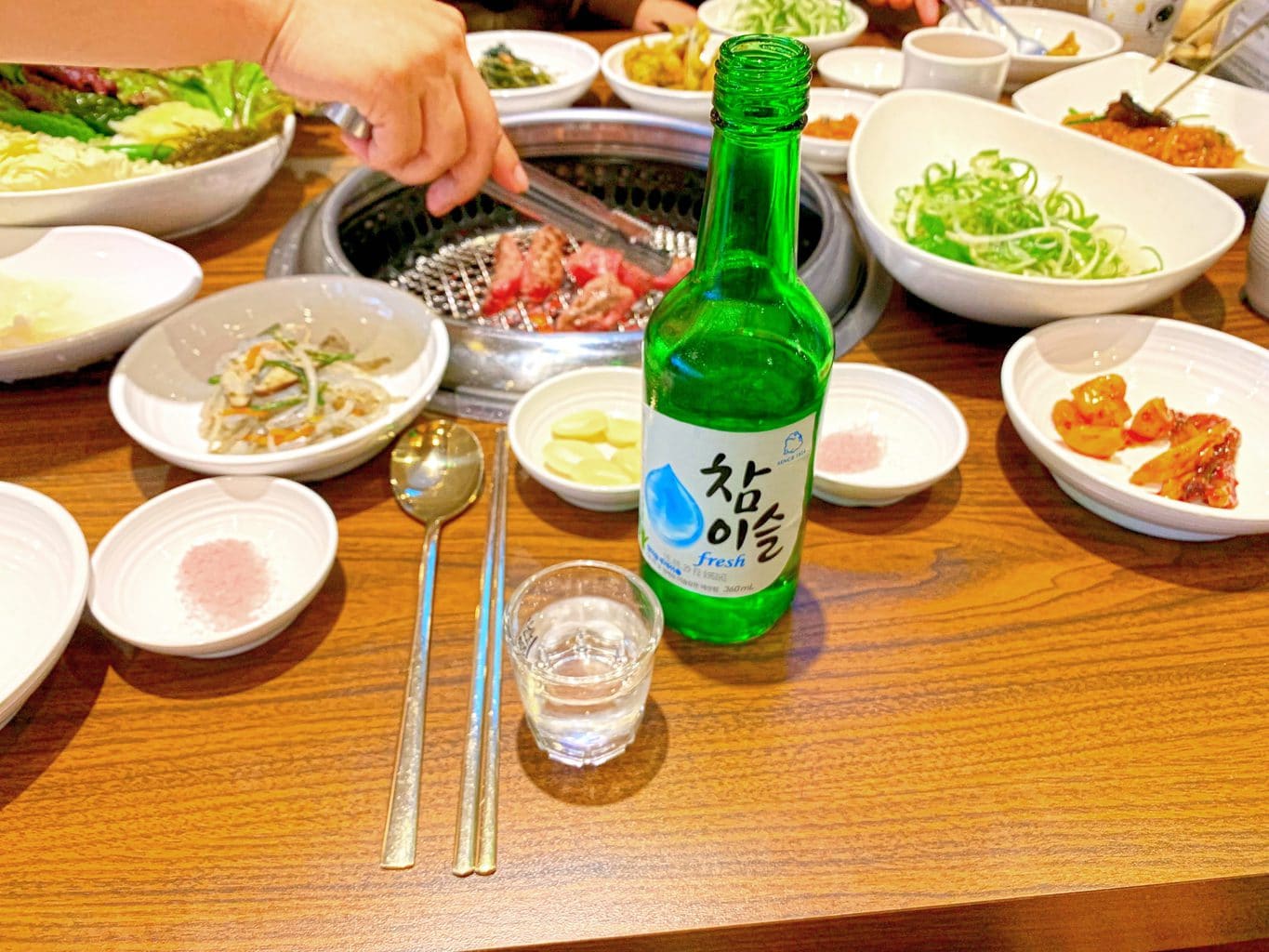
If you recognize the final word in a dish name, you can often predict how the food will arrive. Gui means grilled. Jjigae is a concentrated stew, generally served bubbling hot. Guk and tang refer to soup, although the exact distinction is not always obvious in English. Bokkeum points to a stir-fried dish. Jeon is a savory pan-fried pancake or fritter. Jjim is steamed or braised, while mandu means dumplings.
| Word | Useful clue | What to expect |
|---|---|---|
| Gui | Grilled | Browning, savory edges, often a shared main |
| Jjigae | Stew | Bold broth, very hot serving bowl, good with rice |
| Bokkeum | Stir-fried | Sauce-coated ingredients with less broth |
| Jeon | Pan-fried | Crisp edges and a softer center |
| Jjim | Braised or steamed | Tender ingredients and a deeper sauce |
Then look for the ingredient
A few ingredient words appear again and again. Dak is chicken, dwaeji is pork, and so can refer to beef. Saengseon means fish; ojingeo is squid. Dubu is tofu, kimchi needs little introduction, and mandu are dumplings. Ingredients may be hidden in stock, seasoning, or garnish even when they are not in the title, so the name is a clue—not a complete allergen list.
Bap, myeon, and the shape of the meal
Bap means cooked rice, but in everyday use it can also suggest a meal. Bibimbap is “mixed rice”: rice arranged with vegetables and other toppings, then mixed at the table. Bokkeumbap is fried rice. Myeon means noodles, and guksu is another noodle term. These words help answer a practical question before anything else: is this a complete bowl, a soup, or a dish meant to share?
That distinction prevents a common ordering surprise. A plate of grilled meat may need rice and sides to feel like dinner, while a large rice or noodle bowl may already be built as a self-contained meal. Portion and service style still vary by restaurant, so ask whether a dish is typically individual or shared.
Names do not reliably tell you the heat level
Red color is not a perfect spice meter, and a familiar name is not a promise of mildness. Maeun means spicy, but dishes without that word can still contain chile flakes, chile paste, or pepper. Recipes also vary by kitchen. Instead of asking only, “Is it spicy?” try: “How hot is this compared with your kimchi jjigae?” A comparison gives the staff something concrete to work with.
A natural way to order when you are unsure
Pointing is perfectly fine. Say the name as best you can, then describe the experience you want: “We would like one grilled dish and one comforting stew,” or “I want noodles, but not much heat.” That is more helpful than pretending to understand every term. If a server corrects the pronunciation, treat it as useful information, not a test.
Four questions that solve most menu confusion
- Is this normally an individual dish or something the table shares?
- Does rice come with it, or should we order rice separately?
- What gives the broth or sauce its flavor?
- Can you recommend a mild contrast to the richer or spicier dish?
Keep exploring
This guide explains common language patterns, not every regional use or restaurant recipe. Ask the restaurant directly about current ingredients, portions, substitutions, and allergens.